Member Benefits
 How to Join
 En Espanol
News from AFT Public Employees
Current Issue - August 2026
Defend democracy by safeguarding local elections
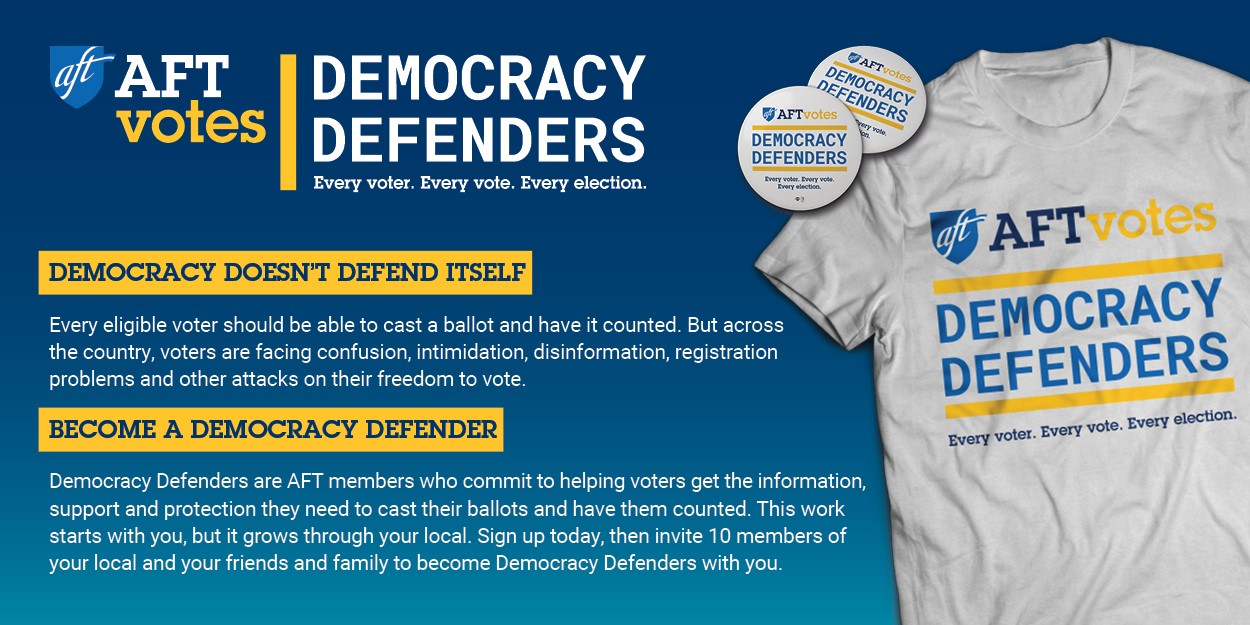
Protecting our elections isn’t a new fight for us, but as the midterm elections approach, the stakes couldn’t be higher. That’s why our union has launched the AFTvotes Democracy Defenders program. Defending democracy starts right at home. We are building a nationwide network of thousands of volunteers to help safeguard our elections at the local level. Whether it’s clearing up confusion about voting rules or making sure polling locations run smoothly, we are taking action to ensure that every eligible vote counts. Use and share this valuable resource.
Student debt is the hidden affordability crisis
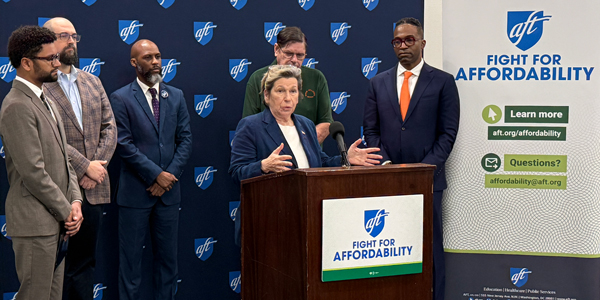
Summer should be a time to take a well-earned vacation and enjoy being with family and friends. But for millions of Americans, summer arrived with a surprise bill from President Donald Trump that jacks up their student loan payments, AFT President Randi Weingarten writes in her latest column. Hidden in Trump’s so-called Big Beautiful Bill were several costly student loan provisions that took effect on July 1. This “revamping” of the federal student loan system forced borrowers into expensive repayment programs. And for what? To pay for the president’s $1 trillion in tax breaks for the wealthy and big corporations. The average family will now pay $4,000 more on student loans at a time when most are barely getting by.

AFT launches ‘Shop Smart, Not Target’ campaign
The AFT has kicked off a nationwide campaign urging people to shop at retailers other than Target for their school supplies and connecting them to local stores and outlets that respect labor rights. The campaign was created in response to Target’s refusal to condemn the unlawful Immigration and Customs Enforcement activity that continues to roil communities around the country. AFT President Randi Weingarten said of the campaign, “We wrote letters, passed resolutions and reached out to [Target] management in good faith but have yet to see any meaningful movement.” Learn more and share at ShopSmart.AFT.org.

Defending democracy with Skye Perryman
In case you missed her at the AFT convention, here’s another chance to see Democracy Forward President Skye Perryman. Join AFT President Randi Weingarten on Aug. 30 at 6 p.m. for an AFT Book Club conversation with the constitutional lawyer and TIME100 honoree as she discusses her book, Ordinary People, Extraordinary Times: How to Reclaim Your Power, Fight for Freedom & Reimagine Democracy. At a moment when many Americans are asking how they can make a difference, Perryman offers hopeful and practical advice grounded in history, personal experience and stories from the front lines of defending democracy. She argues that lasting change begins with ordinary people who choose to participate, organize and lead.

Power the Polls: Help staff your local polling place
Our elections depend on ordinary people who can help make sure voting runs smoothly and everyone’s vote is counted—people like you. Power the Polls is a first-of-its-kind, nonpartisan initiative to recruit the next generation of poll workers to ensure safe and fair elections for all voters. Over a million people have signed up with Power the Polls since 2020. You can contribute to making sure we have safe, fair, efficient elections for all: Step up today and become a poll worker for the next election in your community.

Webinar: Climate change is a health issue
The award-winning Vital Lessons series kicks off Season 2 on Aug. 24 at 6 p.m. EDT with an important conversation about how climate change is affecting our health and communities. From extreme heat and wildfire smoke to worsening asthma, allergies, infectious diseases and mental health challenges, the health effects of a changing climate are already showing up across the world. Join AFT President Randi Weingarten, public health expert Dr. Vin Gupta, and environmental and political scientist Leah Stokes as they examine who is most at risk, what communities should be preparing for, and how our members can help protect the people they serve.
Prepare for wildfires and other disasters
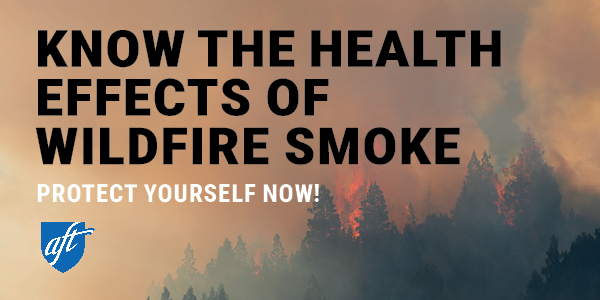
Wildfires can be hazardous and even deadly. The AFT has assembled a valuable collection of resources that can help you and your local union prepare for fire, including the AFT’s Wildfire Smoke Fact Sheet. Know how to get emergency alerts and where you should go if you need to evacuate. We’ve also included information from the federal government, including the Environmental Protection Agency, the Centers for Disease Control and Prevention, and the Occupational Safety and Health Administration.